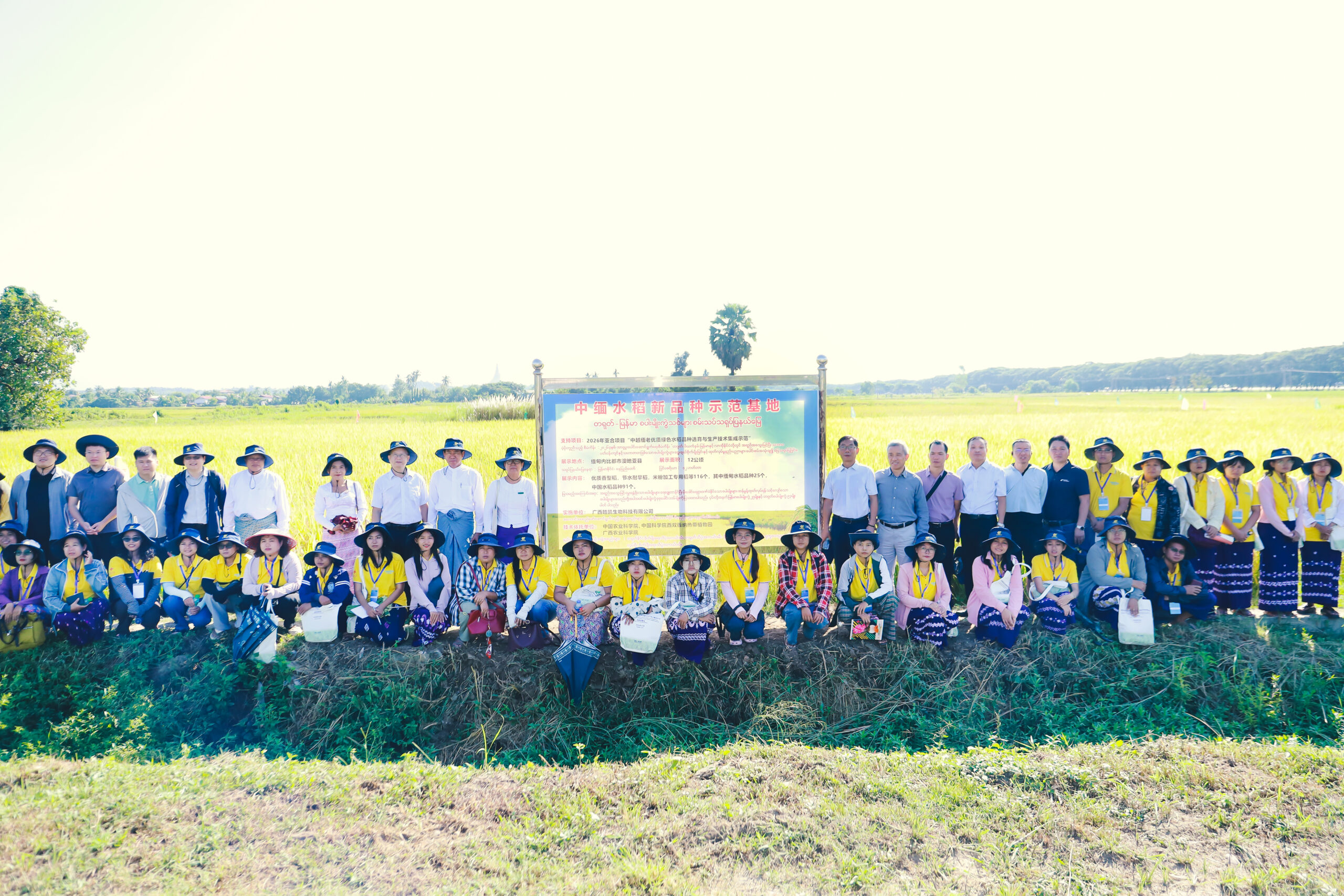
On October 28, 2026, the China-Myanmar Field Observation Event for New Rice Varieties and the China-Myanmar Quality Rice Tasting Event were held at the China-Myanmar Agricultural Crops Fine Varieties Experimental Station (Ottarathiri District, Nay Pyi Taw). More than 150 representatives gathered at the site, including scientific research institutes, agricultural authorities, seed enterprises, rice enterprises, media outlets, and farmer representatives from both China and Myanmar. Attendees conducted on-site inspections of the field growth of new rice varieties, engaged in technical exchanges and rice tasting, deepened agricultural science and technology cooperation between China and Myanmar, and contributed to Myanmar’s food security and farmers’ income growth.
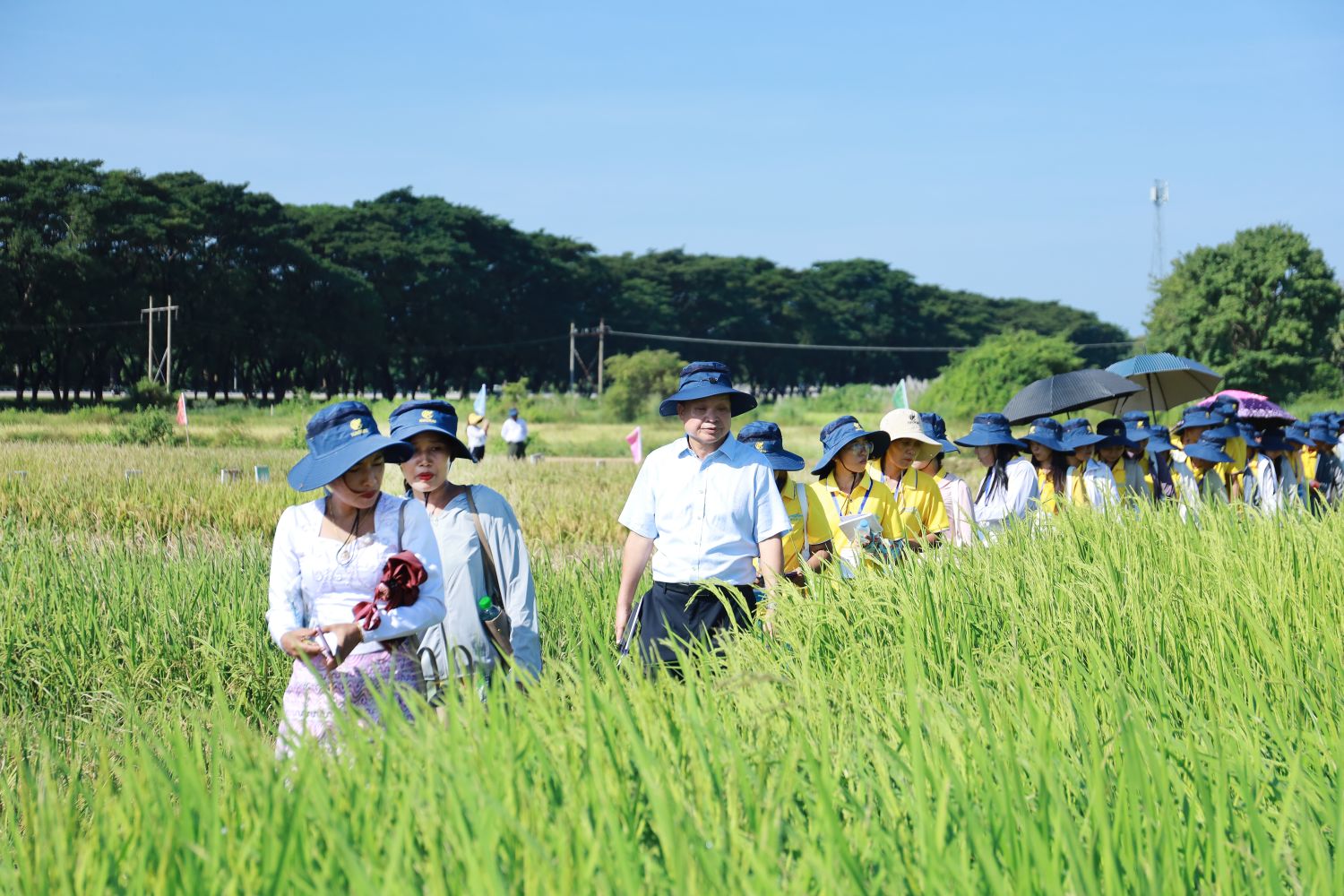
Led and implemented by Guangxi Haokai Biological Technology Co., Ltd., this year’s trial showcased a total of 116 rice varieties (combinations), including premium aromatic rice, water-saving and drought-resistant rice, and rice dedicated to rice noodle processing. Among them were 91 Chinese rice varieties and 25 local Myanmar varieties, using Myanmar’s local benchmark varieties “Sin Thukha” and “Pearl Thukha” as controls. The trials implemented unified sowing, water and fertilizer management, and pest control. To objectively test the varieties’ intrinsic disease resistance, no chemical disease-prevention agents were applied in the fields. Affected by this year’s high temperatures, heavy rainfall, and flooding in Myanmar, bacterial leaf streak and bacterial leaf blight were relatively severe in the test fields, and some varieties experienced lodging, providing a realistic field environment for stress-resistance screening.
According to on-site expert evaluations, 11 varieties—including JYS-Z30, JYS-Z922, and JYS-414—exhibited outstanding disease resistance and yield stability under high disease-incidence conditions, showing excellent potential in both yield and quality. Another 15 varieties showed stable field growth and favorable stress resistance, with minor diseases having a limited impact on overall yields. It is understood that the current year’s test results reflect only that year’s field performance. Subsequent multi-year and multi-location trials will be conducted to further verify the adaptability of the varieties across different ecological regions in Myanmar and select superior rice varieties suitable for local scaled cultivation.
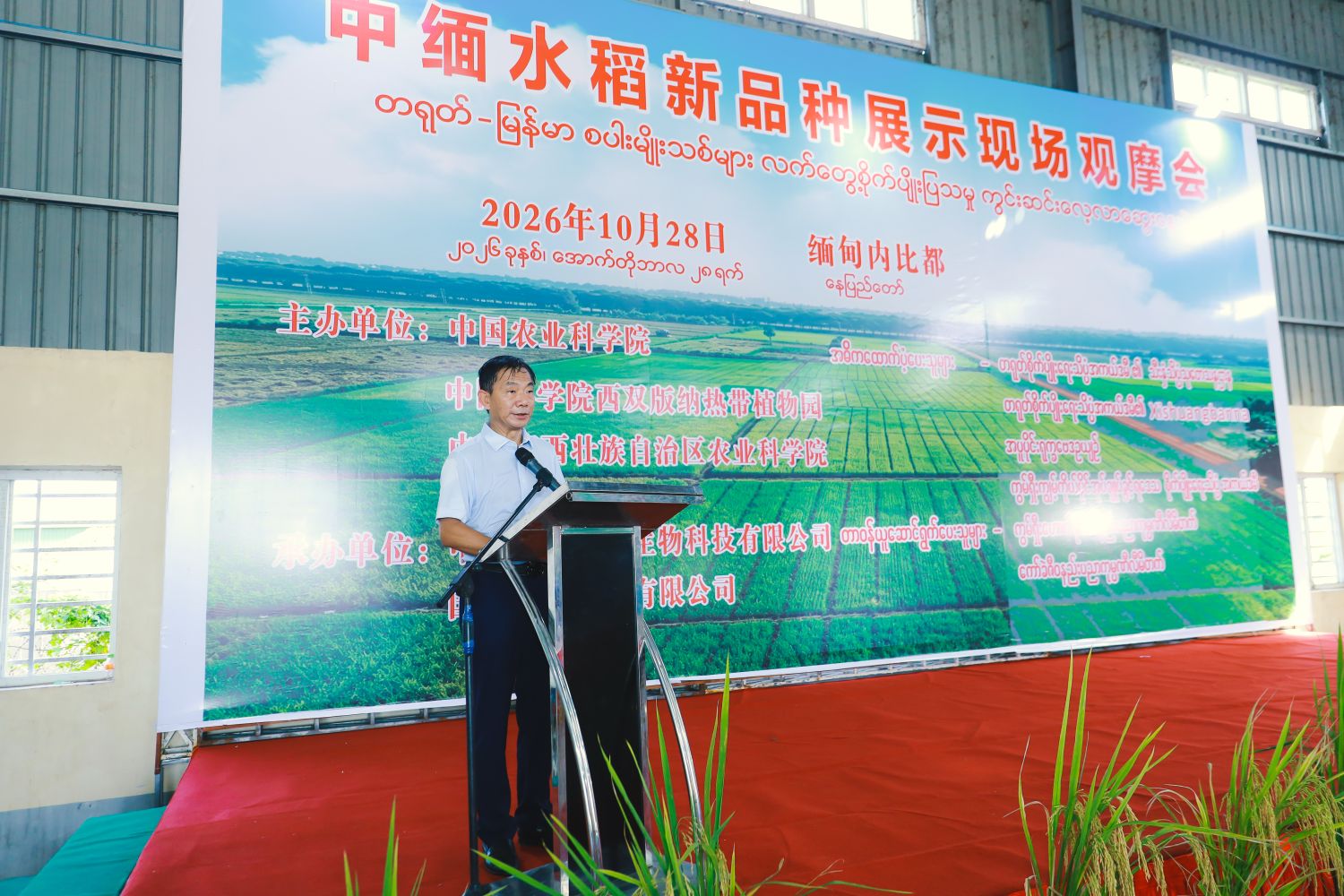
Wang Xianzhong, First Secretary of the Embassy of the People’s Republic of China in the Republic of the Union of Myanmar, stated that Myanmar possesses favorable agricultural natural conditions, and that raising rice yields and quality while increasing farmers’ income are key local concerns. China-Myanmar agricultural cooperation must adhere to the concept of sustainable development, attach importance to the training of local technical talent, and promote the transition of cooperation models from “blood transfusion” to “blood generation,” allowing agricultural sci-tech achievements to benefit the peoples of both countries.
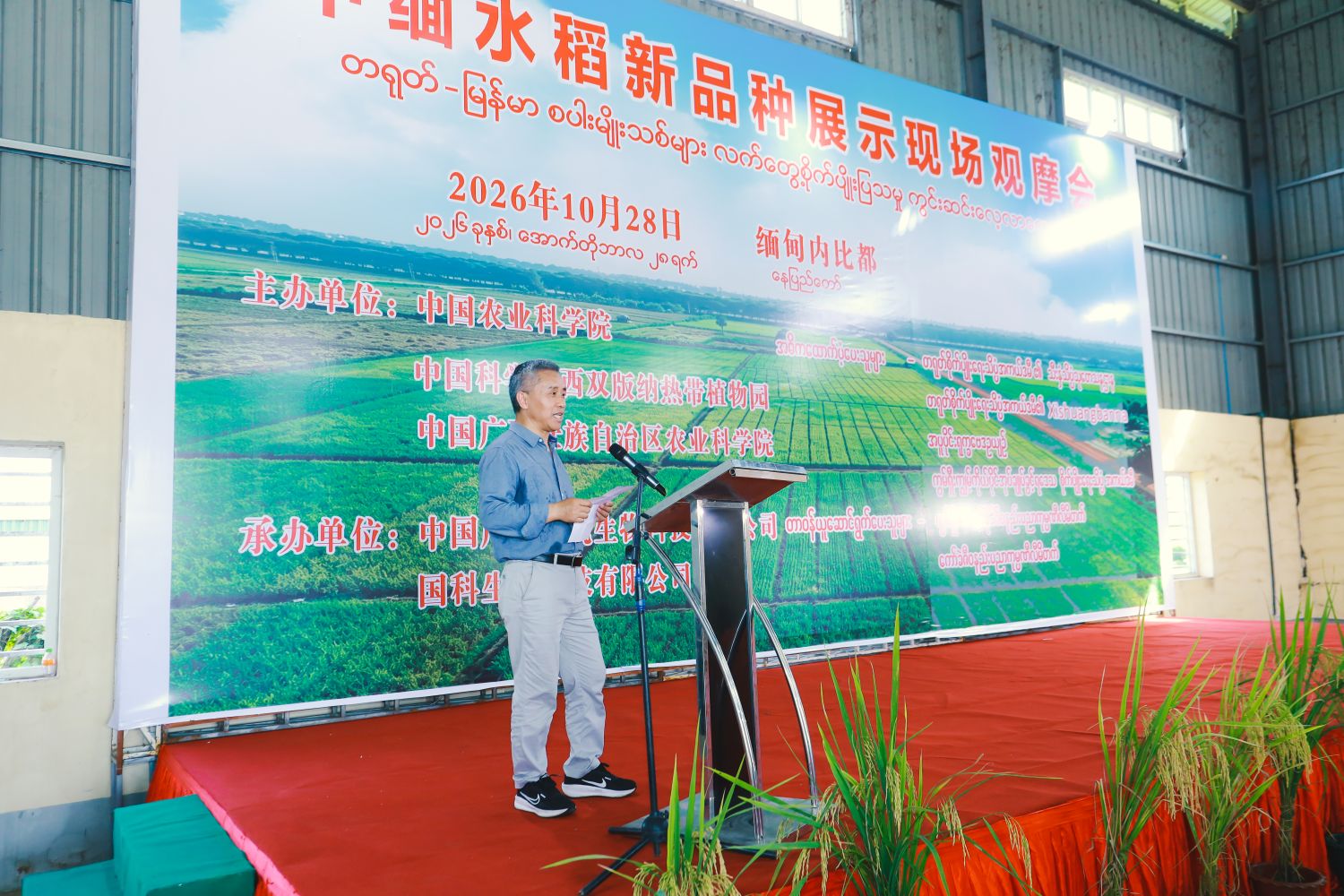
Dr. Xu Jianlong from the Institute of Crop Sciences of the Chinese Academy of Agricultural Sciences noted that extreme weather brings common challenges to rice production in both countries, and breeding high-yielding, high-quality, and stress-resistant varieties is a shared objective. He expressed hope that this event would serve as a bond to deepen mutual trust and cooperation and explore a path of rice industry development suited to Myanmar’s national conditions.
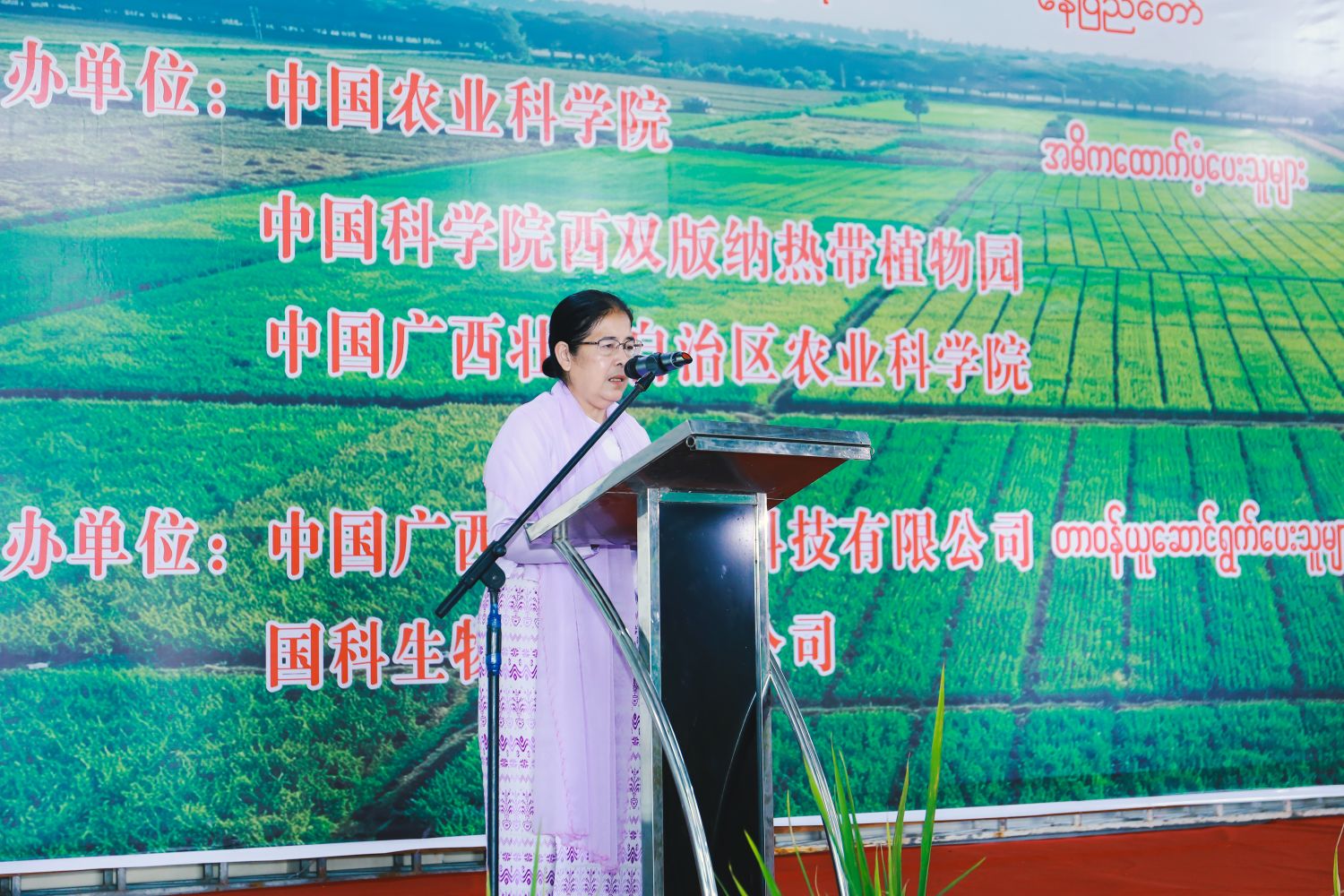
Dr. Theingi Myint, Rector of Yezin Agricultural University, introduced that through the joint efforts of Chinese and Myanmar scientific research teams, 6 rice varieties and 8 maize varieties have completed registration and recognition in Myanmar. She expressed anticipation for continuously advancing the introduction and demonstration promotion of fine varieties to serve the practical needs of Myanmar’s agricultural production.
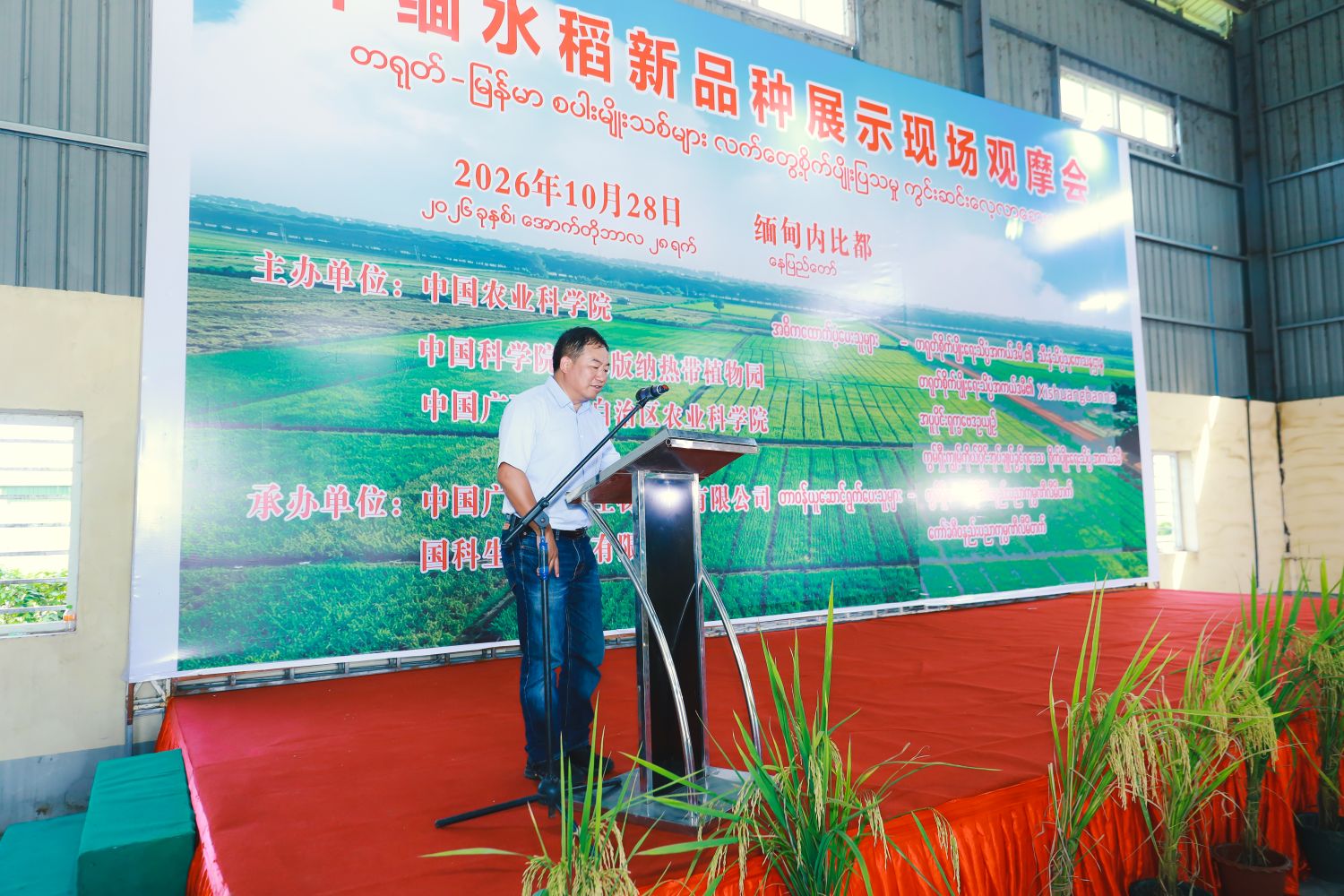
Dr. Xu Peng from the Xishuangbanna Tropical Botanical Garden of the Chinese Academy of Sciences stated that they will continue to leverage the advantages of their scientific research platform, carrying out joint breeding, technology research and development, and local talent training centered around Myanmar’s production realities, thereby promoting the localization of more adaptable varieties in Myanmar.
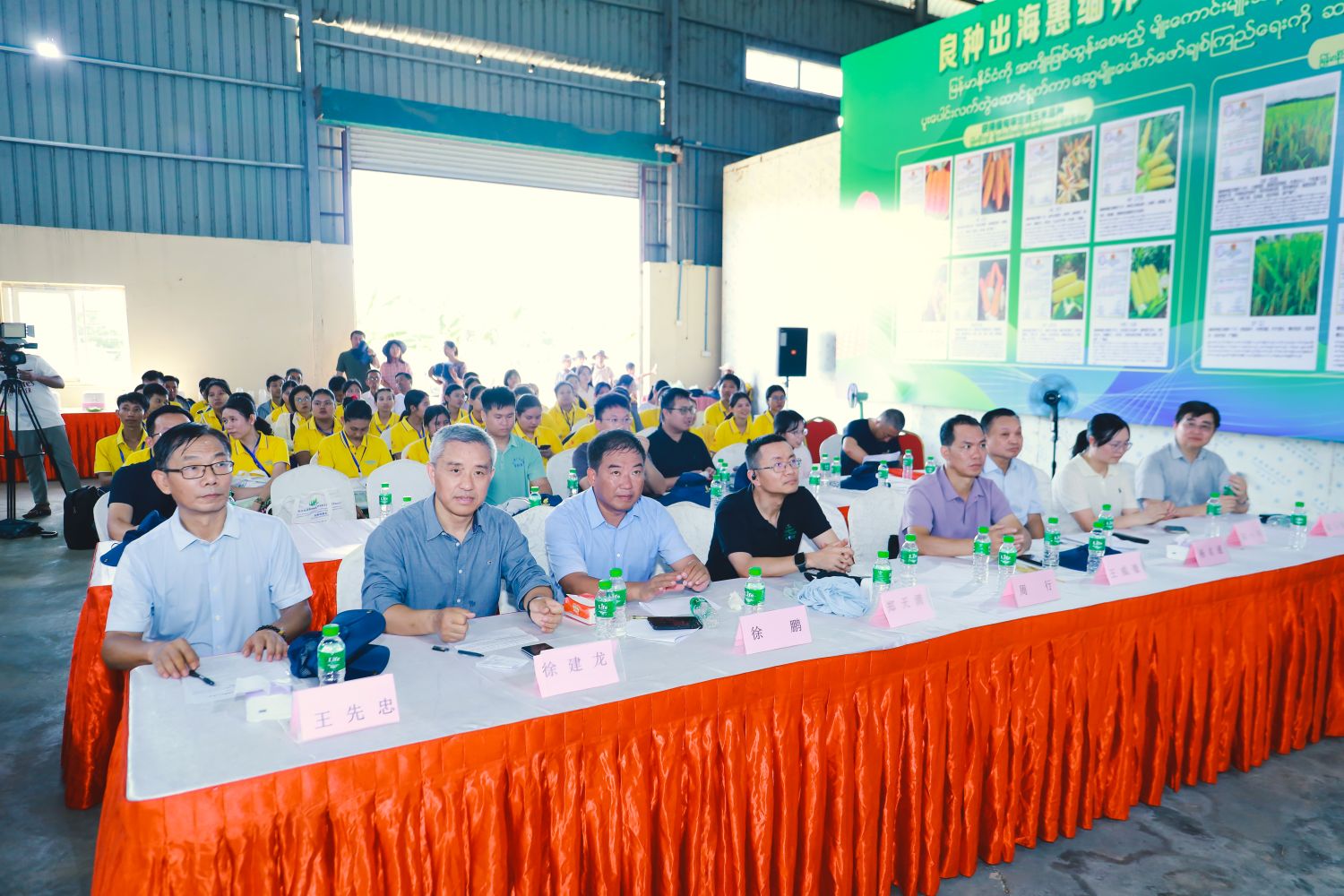
Yang Mingtong, Chairman of Guangxi Haokai Biological Technology Co., Ltd., expressed that the China-Myanmar Agricultural Crops Fine Varieties Experimental Station is an important vehicle for carrying out agricultural cooperation oriented toward ASEAN. He hopes all parties will jointly make good use of this platform, expand the display and exchange of food and cash crops as well as agricultural machinery and supplies, explore contract farming models, and promote the preparation of a China-ASEAN joint innovation center for biodiversity varieties. He emphasized conducting joint research in breeding, cultivation, and green prevention and control of pests and diseases to achieve complementary advantages and win-win results.
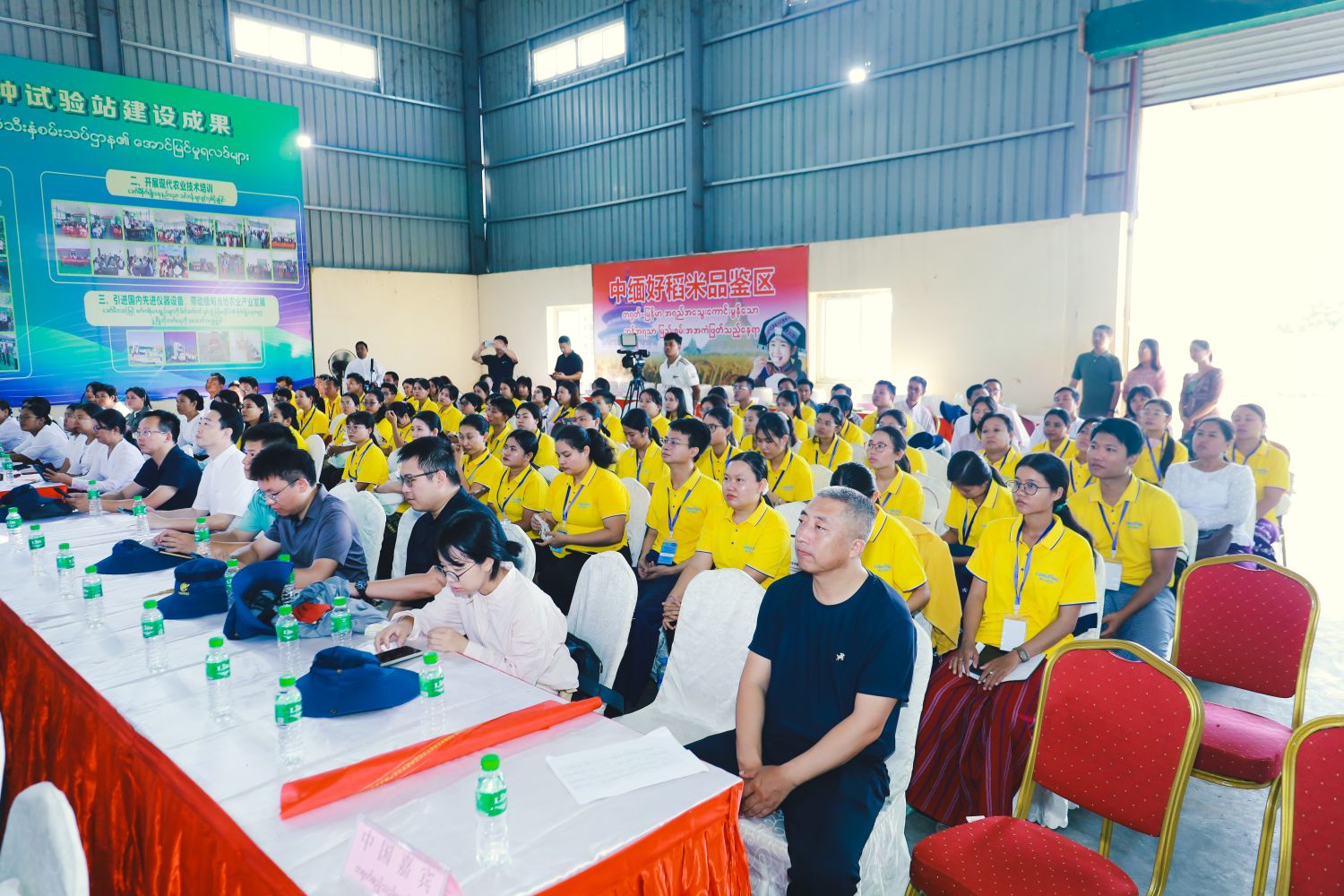
Concurrently with the observation event, a China-Myanmar premium rice tasting and evaluation activity was held. Representatives from both countries tasted 18 aromatic hybrid rice varieties provided by Guangxi seed enterprises on-site. Following comprehensive tasting and scoring, 6 premium varieties—including Youxiangyou Yuxiang and Sexiangyou Haosi—scored over 85 points. These fine varieties feature slender and uniform grains with a transparent and bright color; after cooking, the rice is fluffy and plump with a pure, long-lasting aroma, moderate softness and stickiness, distinct sweet aftertaste, and good elasticity, and does not harden when cooled. Their exceptional palatability, overall grain quality, and commercial value meet premium high-end rice standards, earning unanimous praise and high recognition from the participating guests of both nations.
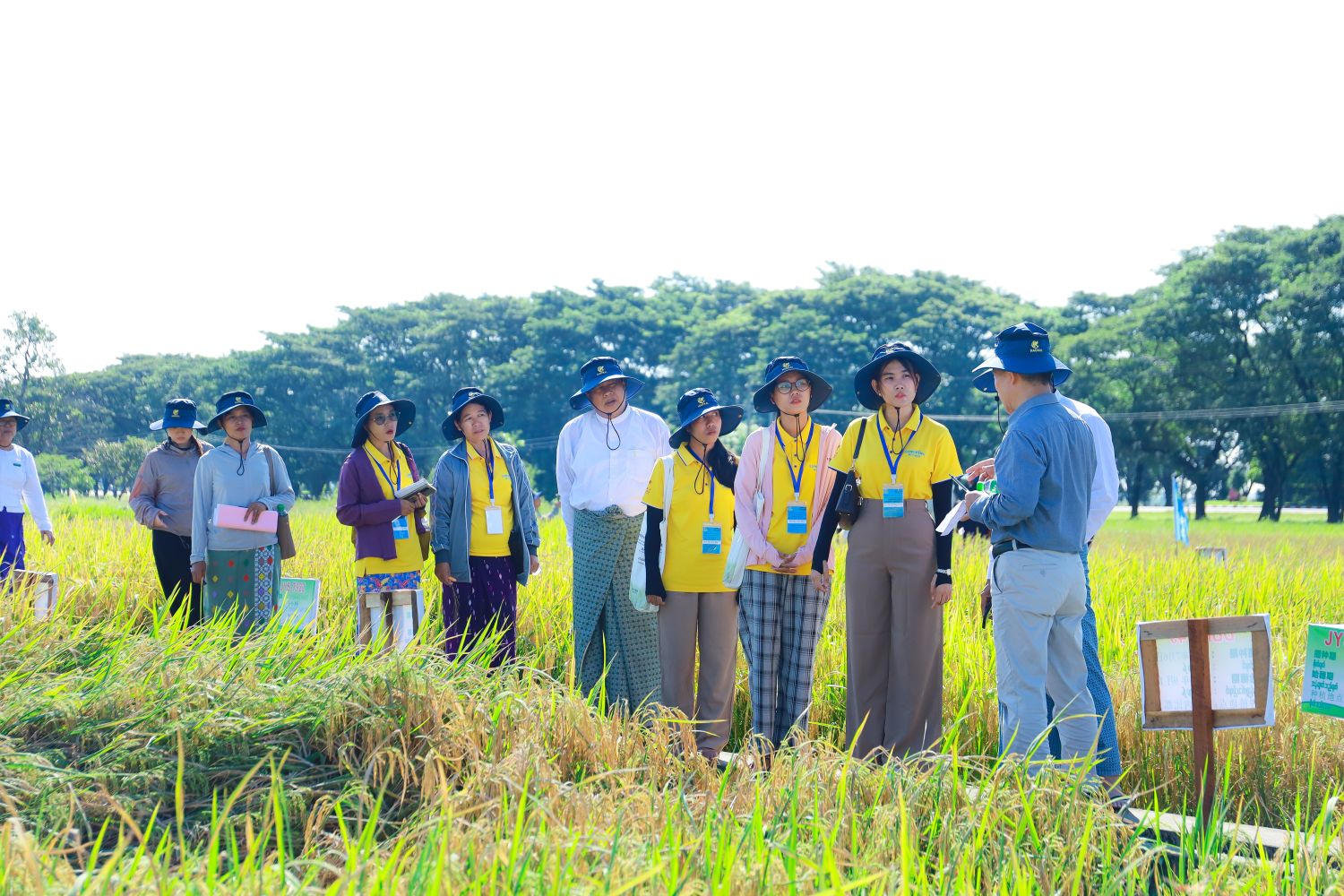
This event built a communication and matchmaking platform connecting research institutions, government departments, market entities, and farmers. Moving forward, all parties from China and Myanmar will continue to carry out multi-location adaptability evaluations of rice varieties, deepen joint breeding, technical demonstration, and personnel training, and streamline the entire chain from fine-variety testing and demonstration promotion to market sales. Through agricultural sci-tech cooperation, they aim to deeply root the China-Myanmar Pauk-Phaw friendship and contribute to regional food security and high-quality agricultural development.
Photo – Guangxi Haokai Biological Technology Co., Ltd.,