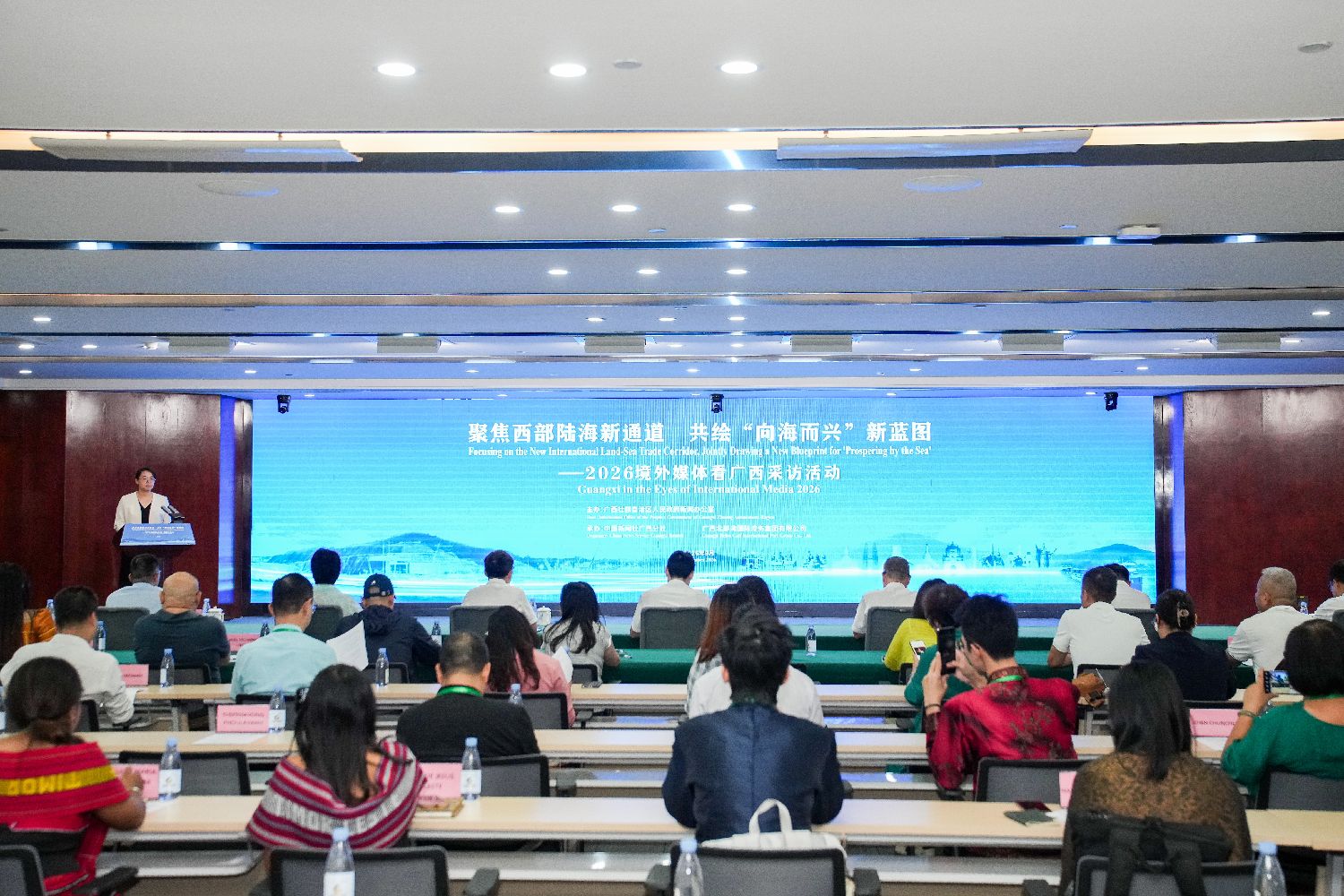
On September 1, the 2026 Overseas Media Tour to Guangxi, themed “Focusing on the New International Land-Sea Trade Corridor, Shaping a New Blueprint for Thriving by the Sea,” kicked off in Nanning, Guangxi. A total of 34 journalists and foreign content creators from 26 media organizations in ASEAN countries including Cambodia, Thailand, Vietnam and Timor-Leste, the Republic of Korea, Hong Kong and Macao special administrative regions of China, traveled to Guangxi to experience the region’s development firsthand, witness the Pinglu Canal’s role in establishing a direct river-to-sea link between the Xijiang River and the Beibu Gulf, and explore how it will facilitate two-way trade between China and ASEAN.
The six-day event was jointly hosted by the Information Office of the People’s Government of Guangxi Zhuang Autonomous Region, and organized by the China News Service Guangxi Branch and Guangxi Beibu Gulf International Port Group Co., Ltd. Relevant officials from the Information Office of the People’s Government of Guangxi Zhuang Autonomous Region, China News Service, and Guangxi Beibu Gulf International Port Group Co., Ltd. attended the event and delivered speeches.
Guangxi is the only province-level region in China connected to ASEAN by both land and sea, and serves as a frontier and gateway for China’s opening-up and cooperation with ASEAN. In September this year, the Pinglu Canal, a backbone project of the New International Land-Sea Trade Corridor, is scheduled to open to navigation. Stretching 134.2 kilometers, the canal connects with the Xijiang River’s major waterway to the north and the Beibu Gulf International Gateway Port to the south. Once operational, it will enable cargo from southwest China to reach the sea via the Pinglu Canal, shortening the inland waterway distance by approximately 560 kilometers compared with routes via Guangzhou Port and reducing overall logistics costs by around 20 percent. The seamless integration of river, rail and sea transport will effectively create a “water expressway” for China-ASEAN trade, enabling goods from southwest China to reach ASEAN markets more conveniently and ASEAN products to enter western China more efficiently.
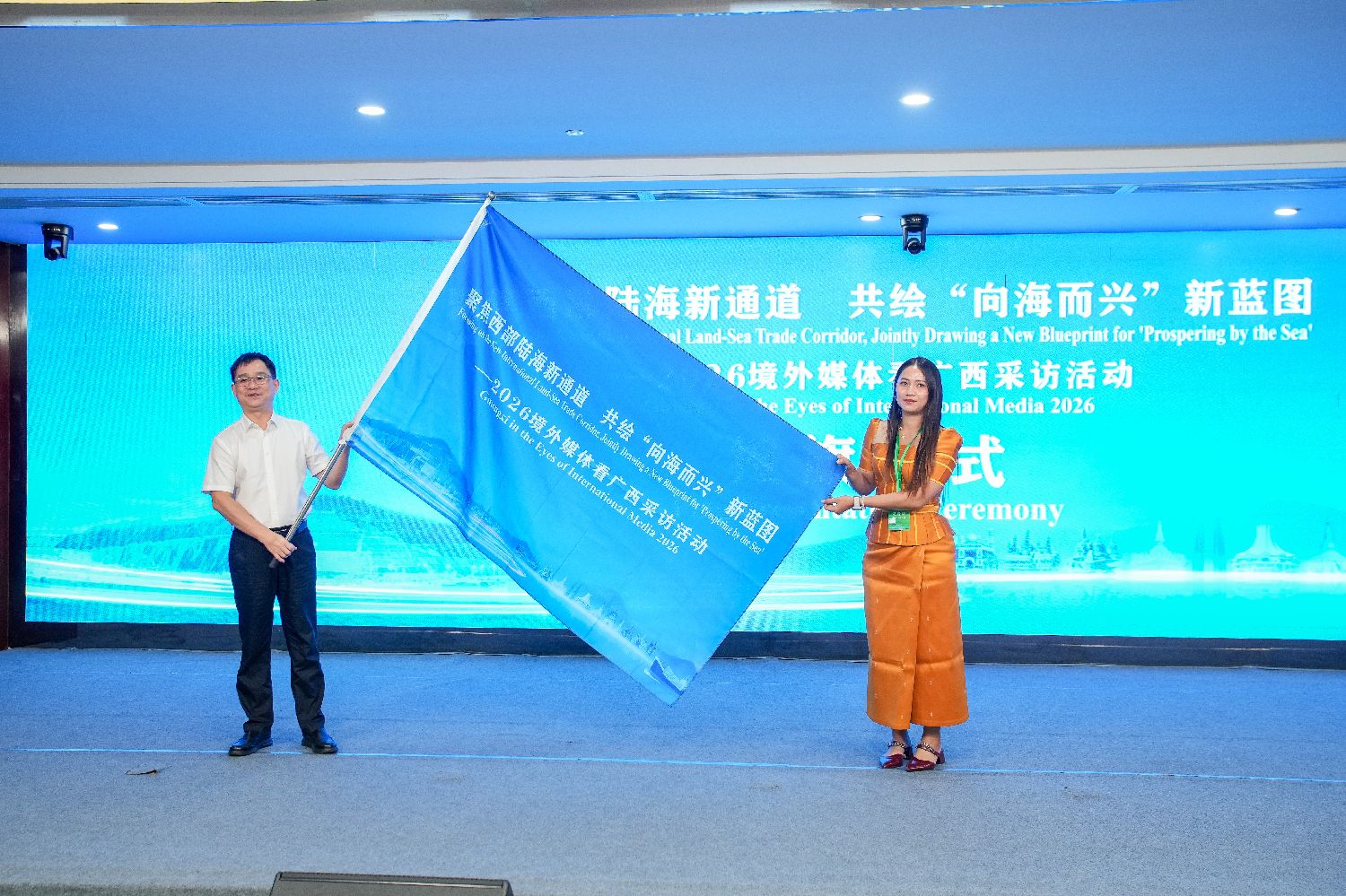
Huang Pinliang, Bureau-Level Official at Level 2 of the Publicity Department of the CPC Guangxi Committee, said in his remarks at the launch ceremony that Guangxi is a land full of charm, vitality and potential. This September, the opening of the canal will coincide with the China-ASEAN Expo and China-ASEAN Business and Investment Summit. The “dual synergy” between the backbone project of the New International Land-Sea Trade Corridor and major platforms for opening-up will inject strong new momentum into China-ASEAN economic and trade cooperation. During the media tour, the delegation will visit Nanning and Qinzhou. Huang expressed hope that participants would use their keen observations, unique perspectives and vivid storytelling to convey to audiences in their home countries and around the world the historic undertaking of the Pinglu Canal, the vigorous development of Guangxi’s maritime-oriented economy, and the tremendous opportunities arising from China-ASEAN cooperation in a true, comprehensive and multidimensional way.
Chen Dingsong, Deputy Secretary of the CPC Guangxi Beibu Gulf International Port Group Committee, said that Beibu Gulf Port currently operates 103 container shipping routes, including 50 routes to ASEAN countries, providing coverage of virtually all major ports in ASEAN. Beibu Gulf Port Group has built and upgraded a total of 29 river-to-sea intermodal transport projects on both the river and sea sides of the Pinglu Canal and developed the first batch of demonstration vessels for the canal, further strengthening the foundation for river, river-to-sea and maritime intermodal transport. The group is also working to secure cargo sources for the Pinglu Canal in advance, ensuring that once the canal opens, “there will be water in the canal, vessels on the water, cargo on the vessels, and goods reaching destinations far and wide.”
Liang Yuhua, Deputy Editor-in-Chief of Myanmar Golden Phoenix, said that the construction of the Pinglu Canal has created new opportunities for bilateral cooperation between Myanmar and China. The golden waterway will further facilitate cross-border trade between Myanmar and China, enabling high-quality Myanmar agricultural products and mineral resources to access the Chinese market more conveniently, while helping Chinese production capacity, technologies and development opportunities reach ASEAN countries and benefit Myanmar. During the media tour, she will explore the deeper significance of the project and provide comprehensive coverage of its construction achievements, ecological approach, technological innovations and strategic value.
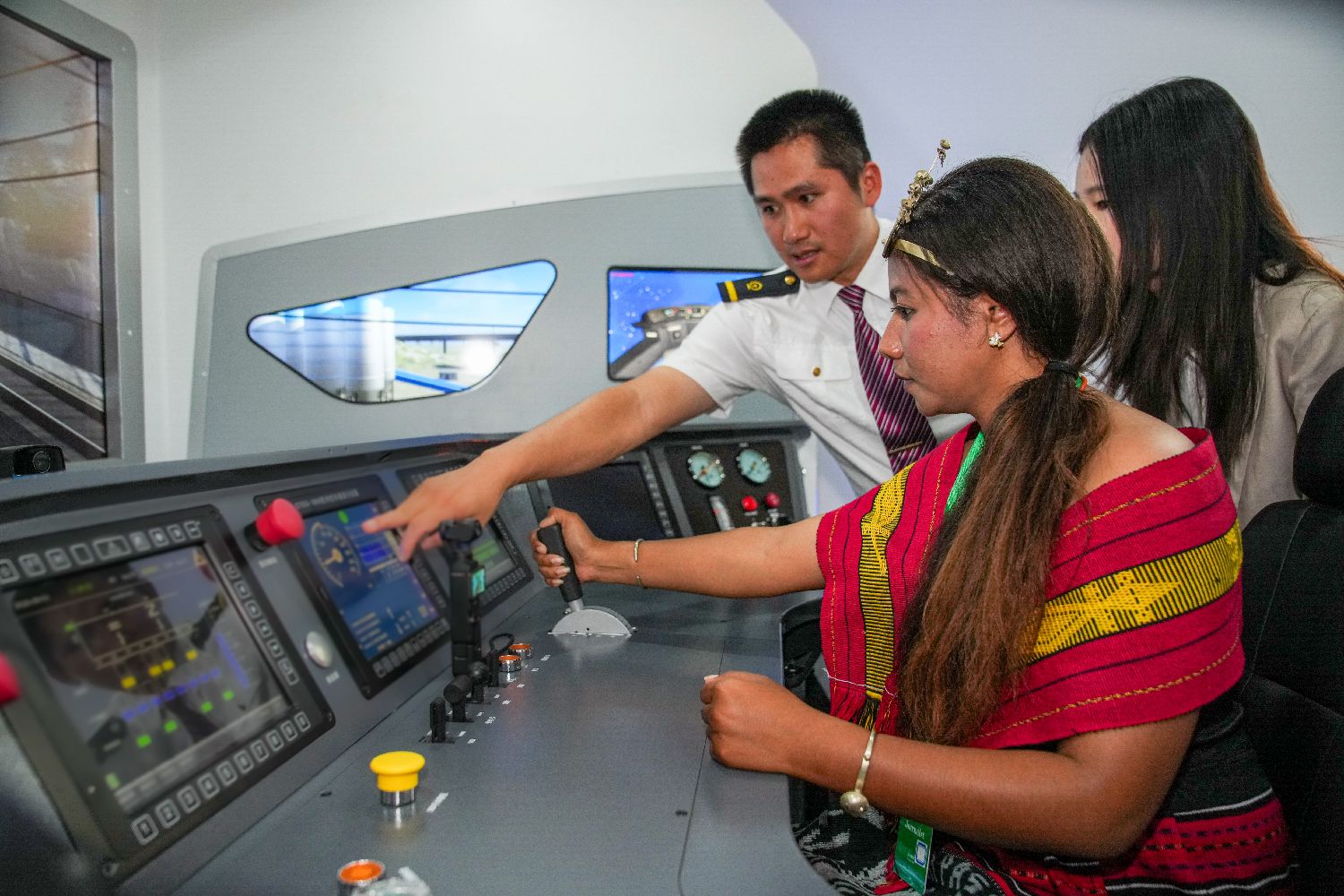
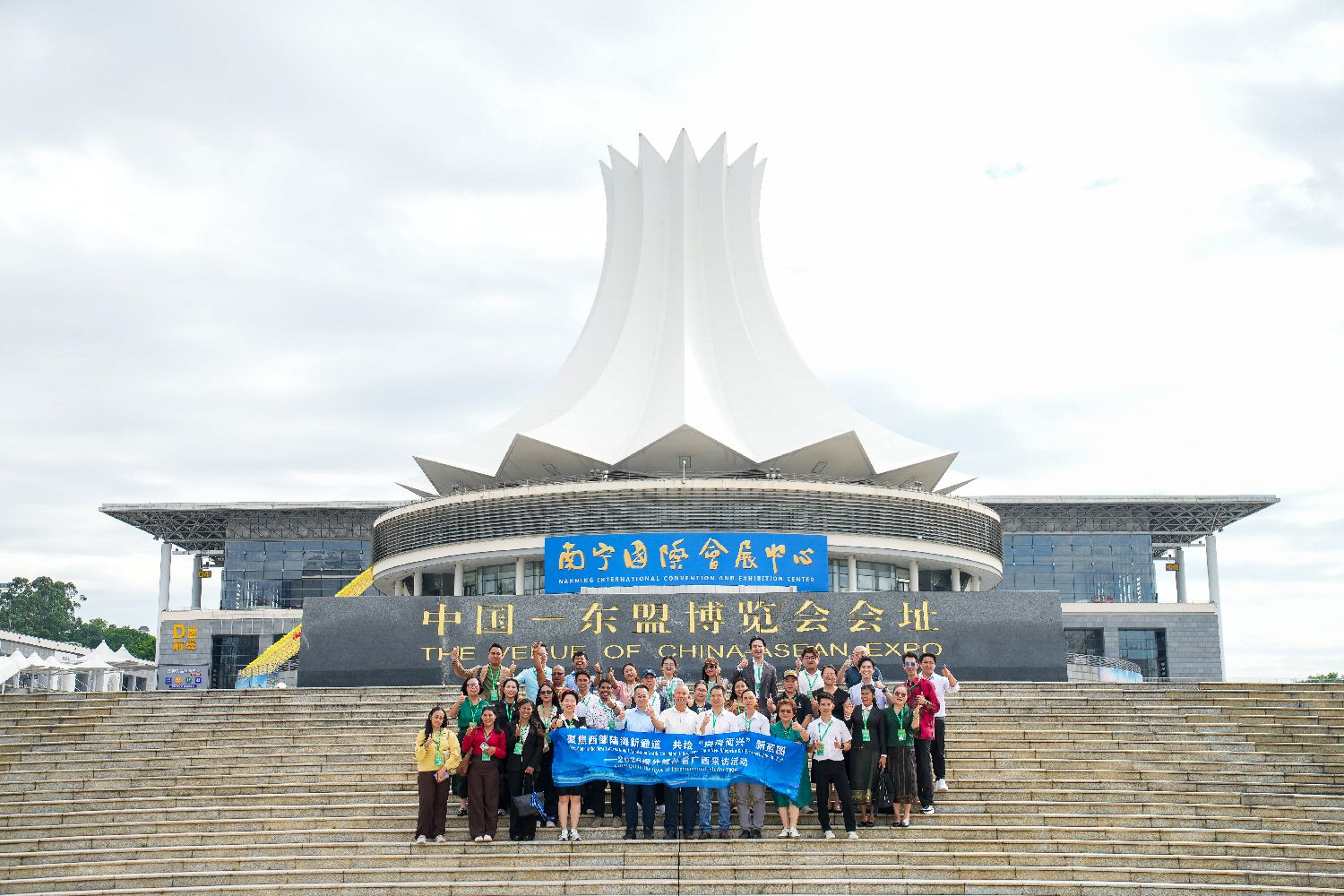
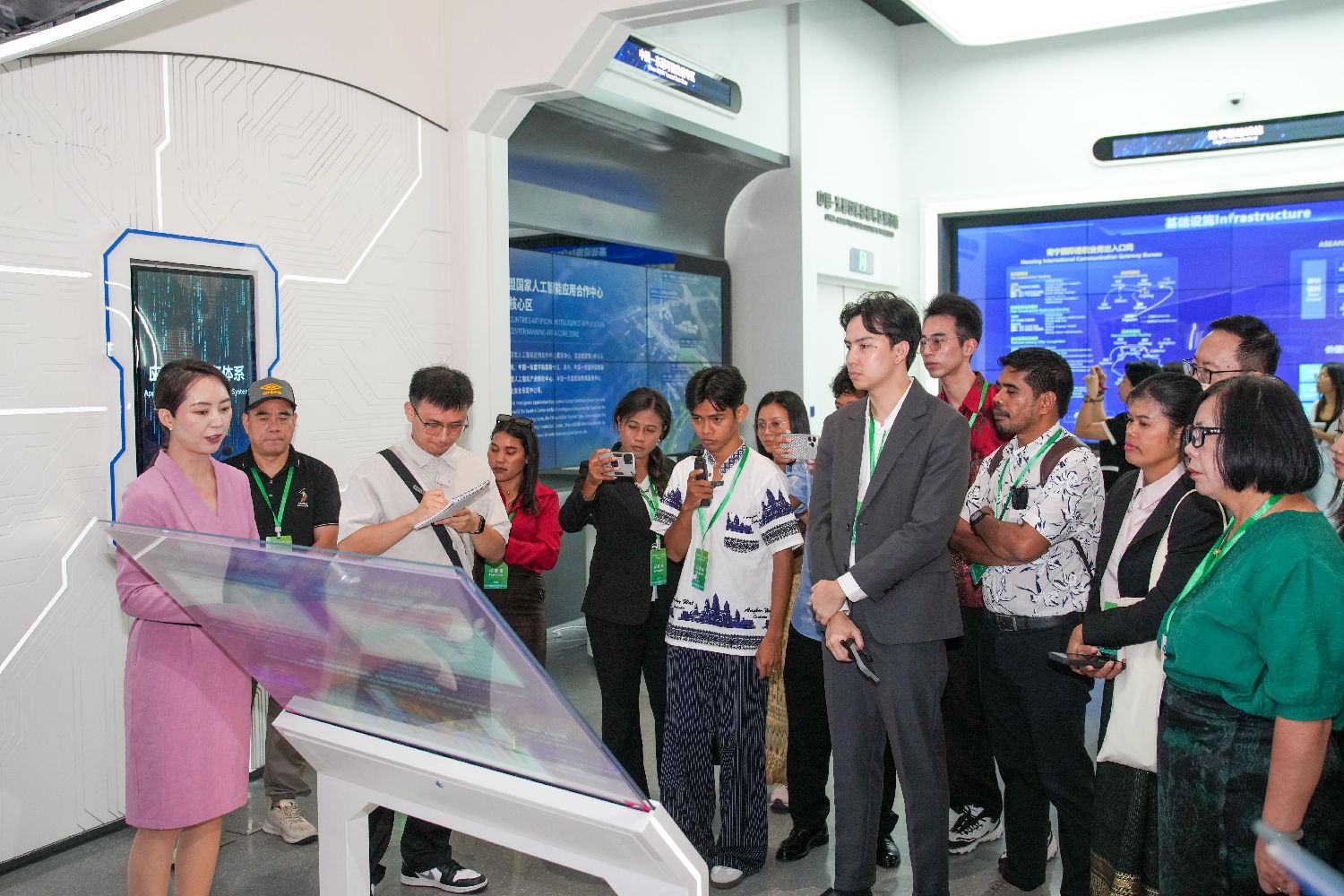
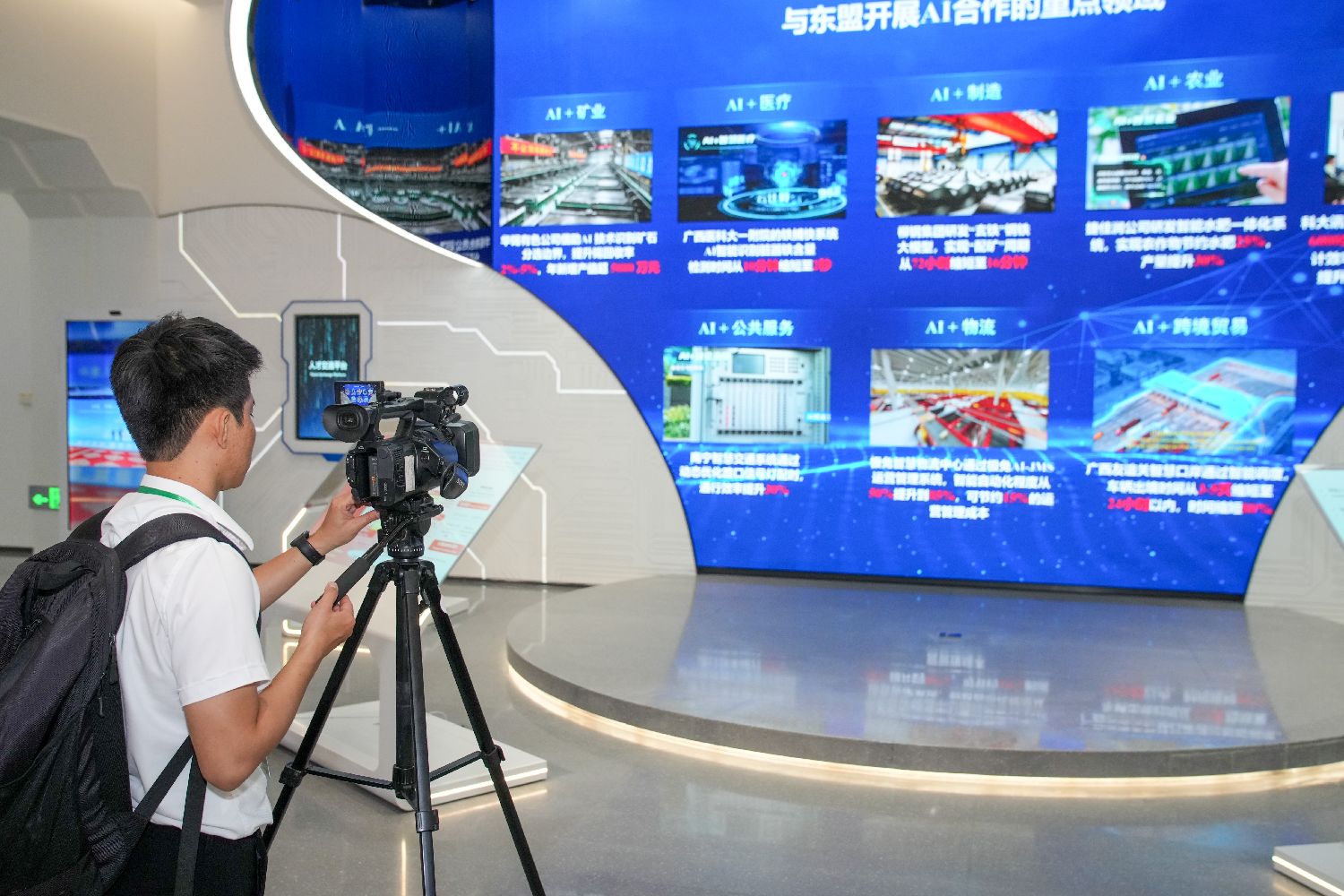
According to the organizers, the delegation’s first stop, Nanning, is the permanent host city of the China-ASEAN Expo. In Nanning, the delegation will visit China Railway Nanning Group, the permanent exhibition hall of the China-ASEAN Expo, the China-ASEAN Countries Artificial Intelligence Application Center and Nanning Port, among other sites, to witness the fruitful outcomes of China-ASEAN cooperation amid the rapid development of artificial intelligence.
In Qinzhou, the delegation will visit the Madao hub, which features the world’s largest inland water-saving ship lock currently under construction and the fastest valve-opening and closing system of its kind; the Qingnian hub, a key node connecting the Pinglu Canal with the river and the sea; and the Qinzhou Automated Container Terminal at Beibu Gulf Port. Participants will also join a themed dialogue titled “Dialogue with the World: Chinese and Foreign Youth Discuss Opportunities in the Canal Era,” take a boat tour of the Longmen Bridge, and visit a mangrove marine science education base to experience how maritime-oriented development and ecological conservation can thrive in harmony.
Photo – CNS